

HOTEL TRE CERI DI GUBBIO
Hotel nel cuore trecentesco di Gubbio
Completamente ristrutturato nel 2001, l’Hotel Tre Ceri si compone di due edifici frontali di suggestione trecentesca.
Nel cuore storico di Gubbio e nell’immediata prossimità della famosa via Dei Consoli, che conduce all’omonimo palazzo,
la struttura è a due passi dal Duomo e dal Palazzo Ducale.
A completare la felice ubicazione, il complesso San Francesco, le Logge dei Tiratori con il suo mercato
tipico ed il capolinea dei bus nelle vicinanze.
3 buoni Motivi per trascorrere le vacanze con noi!
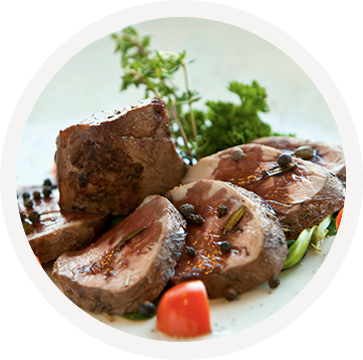
RISTORANTE TIPICO
Ristorante tipico in sale trecentesche
presso la “Locanda del Ceraiolo”

NEL CUORE DI GUBBIO
Il fascino dell’Umbria nasce dalla fusione
tra arte e natura, dalla pace e serenità
che ispirano i suoi luoghi evocativi
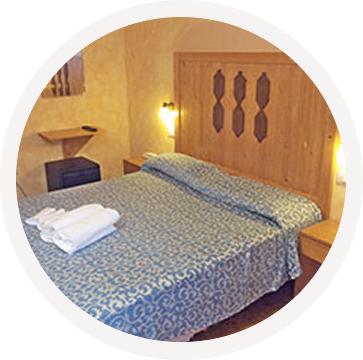
CAMERE ECOLOGICHE
Dispone di tutte camere ecologiche
completamente rinnovate con parquet e mobili trattati
con prodotti naturali